Dvele Site Prep & Utilities: The Woodland Hills Owner’s Guide
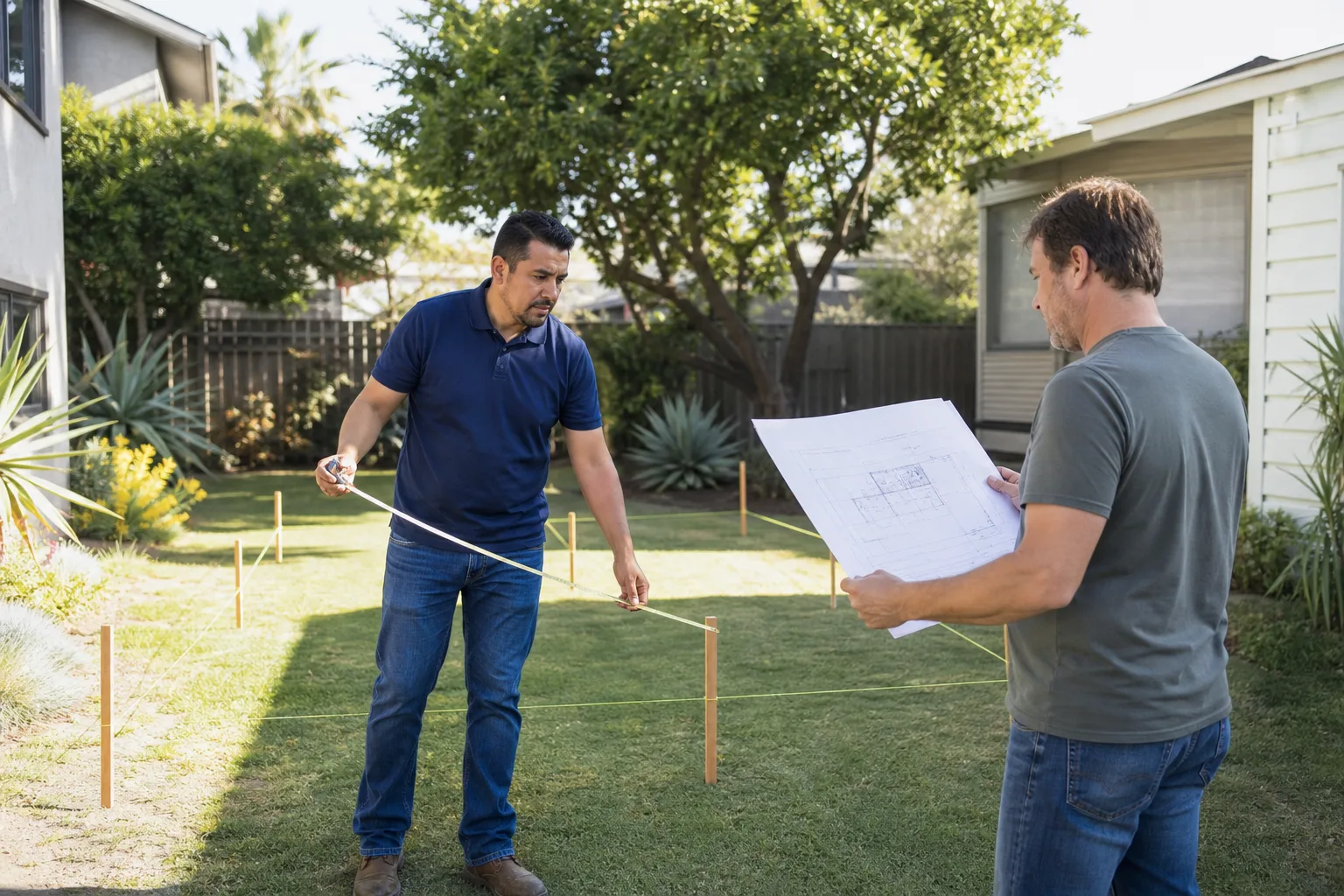
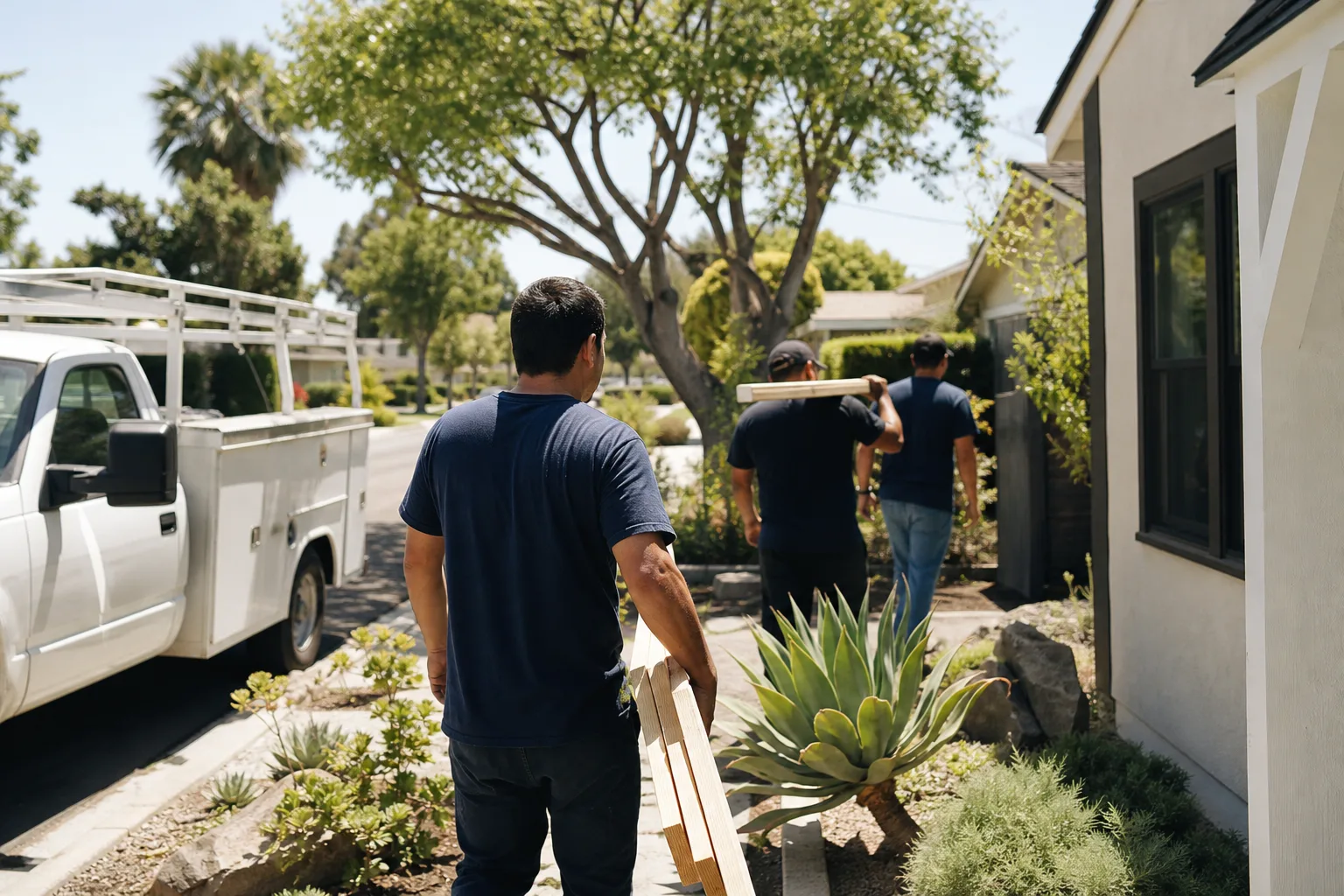
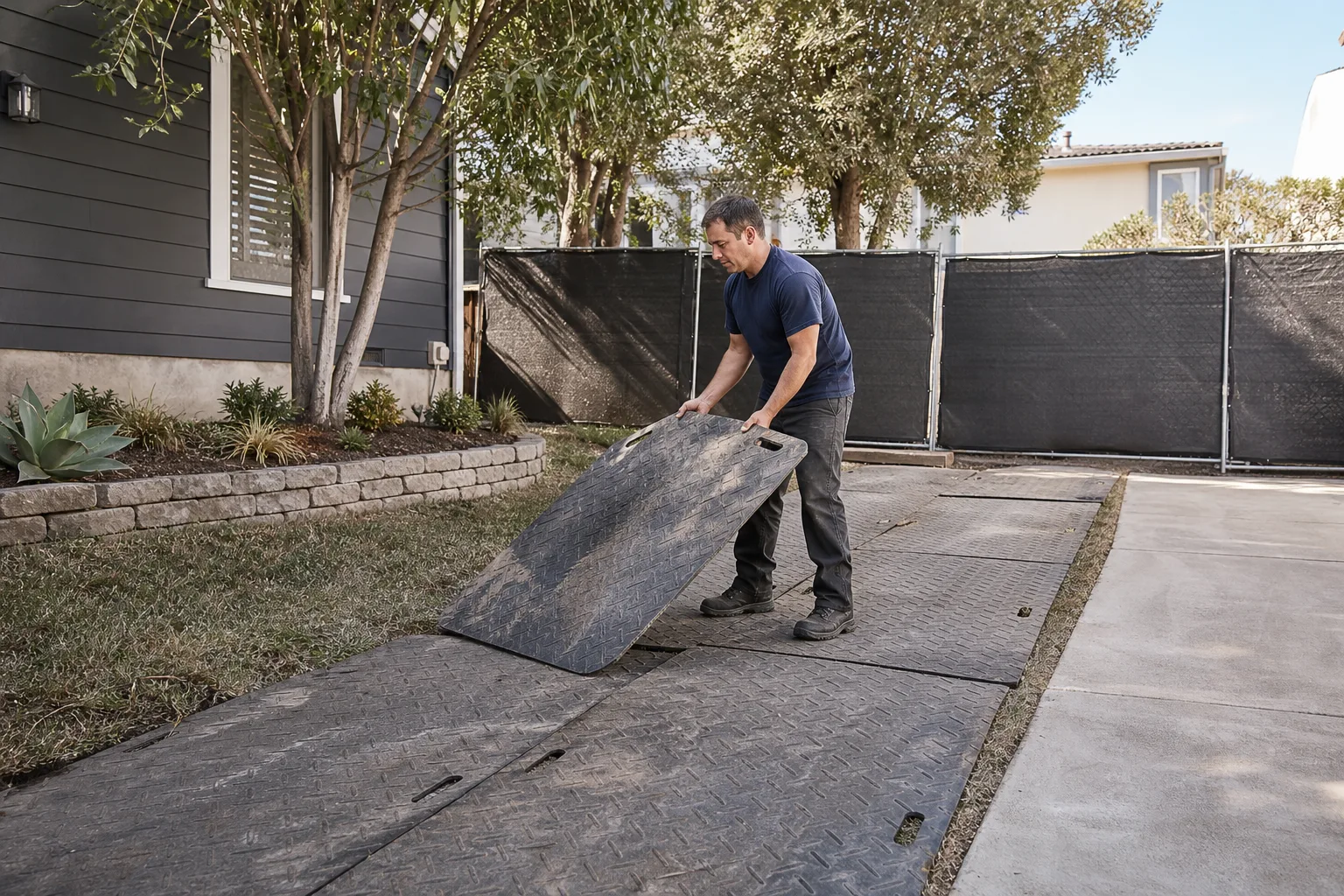
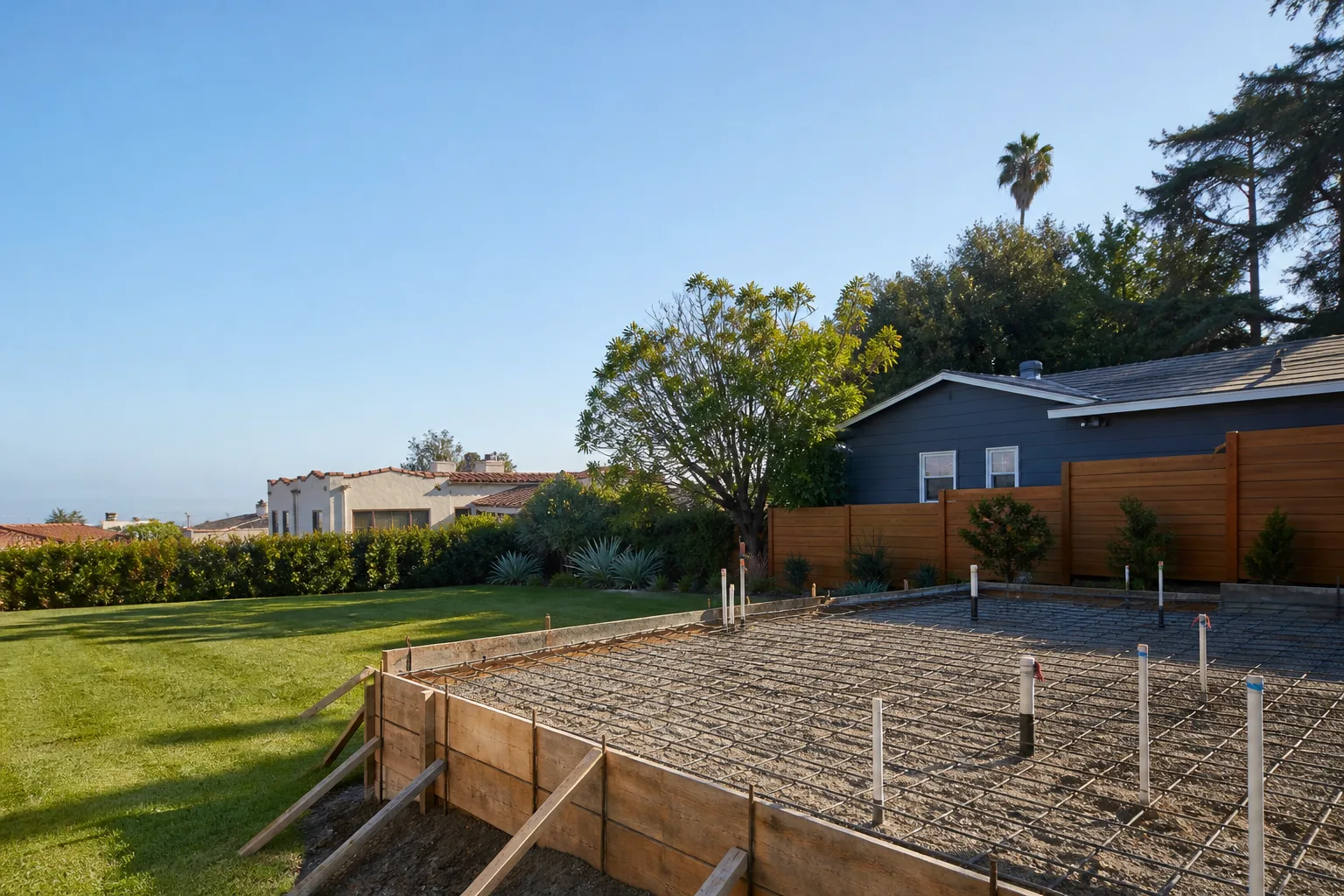
Dvele site prep and utilities work in Woodland Hills typically runs $12,000 – $38,000 installed, depending on trenching distance, soil conditions, and whether we’re tying into existing sewer, water, and power or pulling new service from the street. We stock Dvele-specific utility connection kits and trenching specs on our trucks, and we can usually start within five business days. Most owners discover they have a site prep problem the hard way: the excavator hits something unexpected during the original build, a utility stub was placed in the wrong location, or the lot wasn’t graded properly and now water runs toward the pad instead of away from it. If you’re staring at a Dvele shell that can’t be connected, or a pad that’s settled, you need someone who knows exactly what Dvele’s factory specs call for, not a general contractor guessing at it.
Which Dvele Models This Applies To
Every Dvele model we have worked on in Woodland Hills, from the smaller one-bedroom layouts to the larger three-bedroom configurations, shares the same fundamental site prep requirement: a precise foundation pad that matches the factory’s structural load points, and utility stubs placed within a tight tolerance of the chassis connection points. Dvele homes arrive as factory-built modules, which means the margin for error on the site side is unforgiving. If a sewer stub is six inches out of position, you don’t just nudge the pipe, you cut concrete or rerun the line. We pull the specific stubbing coordinates from Dvele’s current installation documentation before we dig, and we verify them against the actual module dimensions when the units arrive on site. For OEM versus aftermarket on the utility connection side: Dvele specifies certain quick-connect fittings at the module interface, and we use those exact fittings. The pipe, conduit, and trenching materials are standard commercial-grade products that don’t need to carry a Dvele part number, so we don’t mark them up as if they do.
Signs Your Dvele Site Prep & Utilities Is Failing
- Water pooling near the pad or foundation. This usually means the original grade wasn’t sloped correctly, or the soil has settled since the pad was poured. In Woodland Hills we see this most often on hillside lots where the fill wasn’t compacted properly before the pad went down.
- Sewer backups or slow drains in a relatively new Dvele. The most common cause is a sewer lateral that was laid at too flat a grade, or a connection point where the factory stub was forced to meet a site pipe at a bad angle. Debris collects, and the line backs up.
- Electrical service drops or flickers when the HVAC or dryer kicks on. This points to an undersized utility connection or a voltage drop across a long trenching run. Some lots in the hills above Ventura Boulevard push the limit of what a standard service drop can carry without upsizing.
- Visible cracks in the perimeter of the pad or the utility trench line. If the trench wasn’t backfilled and compacted in lifts, it settles over time and takes the surface above it down with it. You’ll see a depression running in a straight line from the street to the home.
- Gas line odor near the meter or the home connection point. On Dvele builds, the gas riser location is specified by the factory, and if a site contractor moved it to save time, the connection can be stressed. Any gas odor is a call-you-immediately situation, not a wait-and-see.
Replacement Cost & What’s Included
For a full Dvele site prep and utilities package in Woodland Hills, the common range is $12,000 – $38,000 before permit fees. At the lower end, that covers grading correction on a mostly flat lot, re-stubbing water and sewer within a few feet of the pad, and standard electrical work. At the upper end, you’re looking at long trenching runs from the street, retaining wall work for a hillside lot, or replacing an entire failed pad. What’s included in our price: all excavation, trenching, pipe and conduit, backfill and compaction, utility connection and testing, and a written line-item breakdown before we start. Reed Calloway insists on this part: the price you approve on day one is the price on the final invoice, and every utility connection is tested and inspected before we call the job done. Under The Garrison Standard, our site prep and utility work is covered in writing for 365 days. If a trench settles or a connection fails inside that year, we come back and correct it at no charge.
DIY or Call Us?
You can check a few things yourself: walk the trench line after a heavy rain and look for depressions, check your water meter for movement when nothing is running, and note whether your electrical panel feels unusually warm. That’s where safe DIY ends. Trenching and utility work involves gas lines, live electrical, sewer connections, and excavation that can easily hit an unmarked line. In Woodland Hills, there are also hillside grading rules and setback requirements that a homeowner won’t know until the city sends a correction notice. We have hit unmarked private lines that 811 didn’t locate more times than we can count, and every one of them was a situation where a homeowner with a rented trencher would have had a very bad day. If your Dvele site prep is failing, call (559) 254-0116 and we’ll send someone out to look at it. The estimate is free, and you’ll know exactly what you’re dealing with.
FAQs
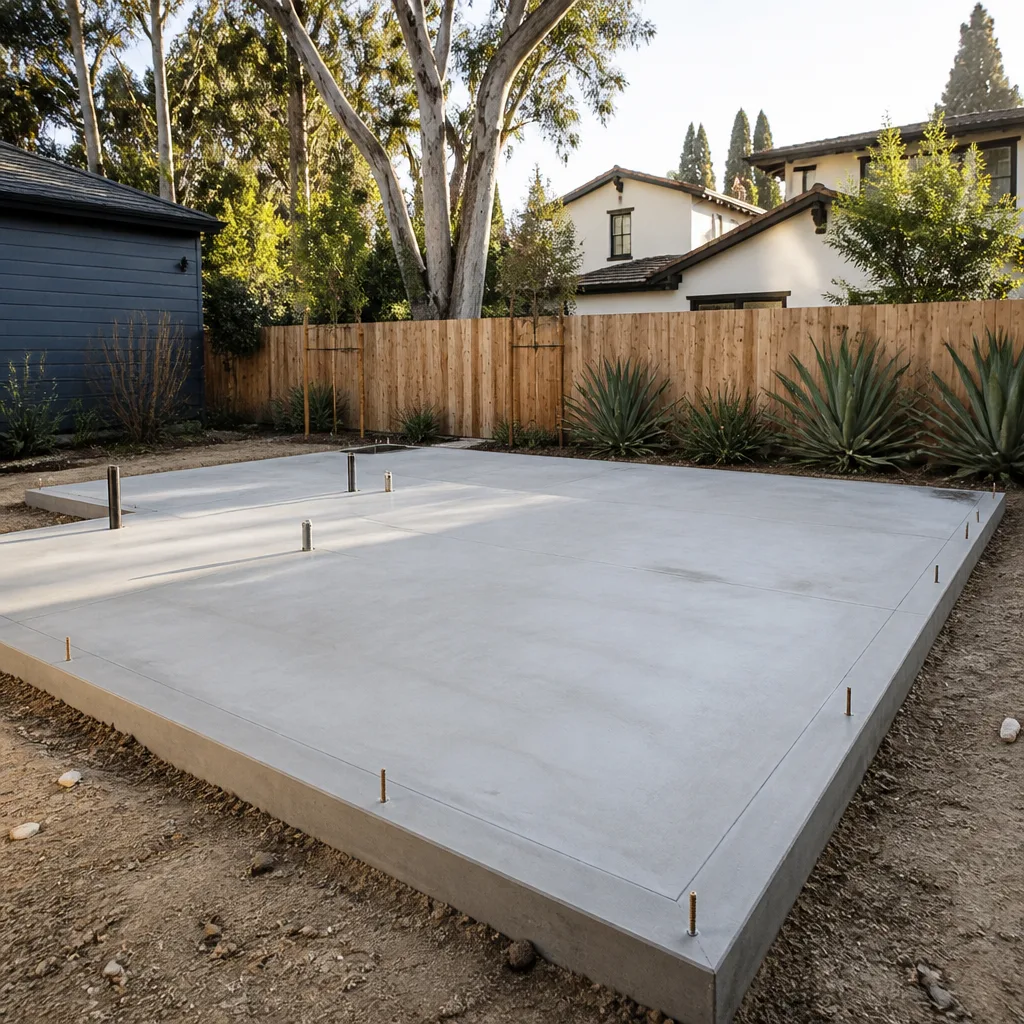
A properly compacted pad and correctly installed utility stubs should last the life of the home, which for a Dvele in the Woodland Hills climate means decades. The weak points are trench backfill, which settles if not compacted in lifts, and connection fittings where the module meets the site pipe. In our experience, problems that show up in the first two years are almost always installation errors, not material failures.
Usually, yes. A settled trench can be over-excavated, re-compacted, and resurfaced without touching the utility lines inside it. A misplaced stub can often be rerouted or extended if there’s enough slope to work with. What can’t be repaired cheaply is a failed pad, which requires cutting out and repouring concrete. We’ll tell you which situation you’re in before we quote anything. Call (559) 254-0116 for an exact answer on your site.
Most utility corrections and trench repairs take three to seven working days, including inspection time. A full pad replacement adds roughly two weeks for demolition, formwork, concrete pour, and cure time before the module can sit on it. Weather in Woodland Hills rarely delays us the way it does on the coast, but hillside access can add a day or two for equipment setup.
We stock the common utility connection fittings, sewer saddles, and electrical components that Dvele installs specify, and we keep the trenching specs for current Dvele models on hand. If your home needs something unusual from the Abodu or Cover side of the prefab world, we source it quickly, but we don’t make you wait on a part number that a generic supplier has to special order. Give us a call at (559) 254-0116 and we will tell you whether it’s on the truck or on order before you commit to anything.
Written by Reed Calloway, Owner, Fielding ADU Woodland Hills at Fielding ADU Woodland Hills, serving Woodland Hills and nearby areas.