Tuff Shed Junior ADU Conversion: The Woodland Hills Owner’s Guide
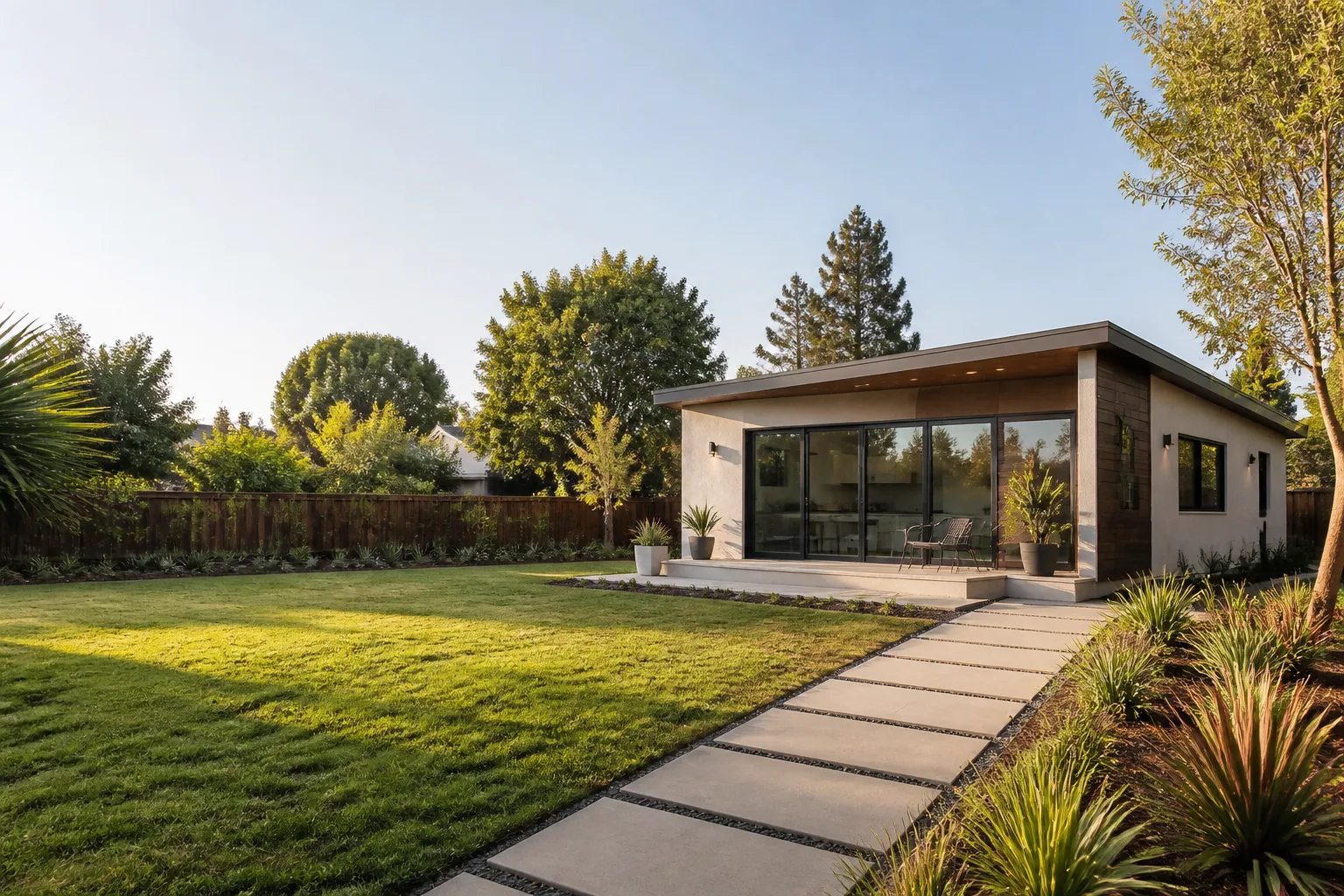
We stock, match, and install junior ADU conversion components for Tuff Shed structures throughout Woodland Hills, with most conversions priced between $65,000 and $95,000 installed, depending on the shell condition and the level of finish you’re after. A conversion turns that delivered-and-leveled Tuff Shed on your lot into a permitted dwelling unit: insulation, drywall, a subpanel, plumbing rough-in, a mini-split, the works. Most owners who call us have either been told their shed “can’t be converted” by another contractor, or they’ve discovered halfway through a DIY attempt that the building department wants stamped engineering on a structure that was never engineered for habitation. Neither one is a dead end, but both need to be handled correctly the first time.
Key takeaways:
- A Tuff Shed isn’t a house. Converting one legally means bringing the structure up to California residential code, which usually means structural reinforcement, not just finishes.
- Not every Tuff Shed model is a good conversion candidate. The roof framing and floor system dictate whether the conversion pencils out.
- Fielding ADU Woodland Hills is an independent service provider. We are not affiliated with Tuff Shed, but we work with their structures regularly, alongside prefab platforms like Abodu, Cover, and Dvele.
- Written price before work starts. Always. No exceptions.
Which Tuff Shed Models This Applies To
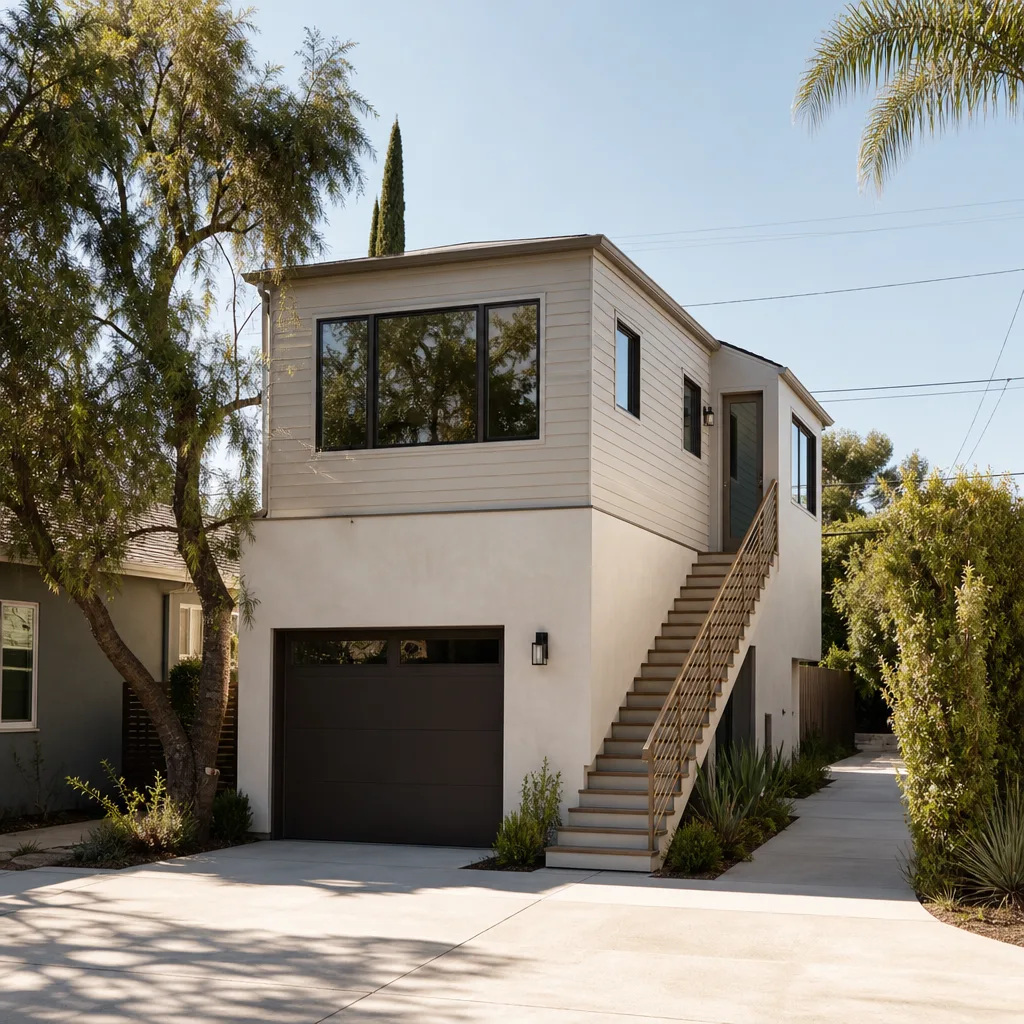
The practical answer comes down to framing. Tuff Shed builds three structural tiers that matter for conversion work: the Premier PRO series (engineered roof trusses, larger dimensional floor joists), the Premier Ranch and Premier Tall Barn lines (stick-framed roofs, which complicate ceiling insulation and mechanical runs), and the Sundance series (lighter truss spacing, marginal for residential load requirements). The Premier PRO Tall Barn and Premier PRO Ranch are the most common candidates we see in Woodland Hills backyards, because the truss spacing and floor joist sizing leave room to bring the structure up to Title 24 energy and California Residential Code structural standards without rebuilding the shell from scratch.
Here’s the compatibility gotcha most owners never hear about: Tuff Shed engineers its roofs for storage loads, not habitation loads. A shed roof might be designed for 10 or 15 pounds per square foot of live load. A dwelling unit in Los Angeles County needs to hold 20 pounds per square foot minimum, plus the added dead load of insulation, drywall, lighting, and whatever mechanical you hang overhead. That difference is almost never visible from the outside. It shows up only when you pull the engineering documents, or when you put a level on the ridge after five years and see the sag. We check that before quoting a conversion, not after we’ve opened the walls.
Signs Your Tuff Shed Junior ADU Conversion Is Failing
- Roof ridge sag or visible deflection. The structure is carrying more weight than the original trusses were designed for. In Woodland Hills summer heat, roof sheathing and trusses also move more than they do at the coast, so small gaps at the ridge can widen noticeably between June and September.
- Doors that bind or won’t latch in dry months. The site-built foundation or the shed’s floor platform has moved. Tuff Shed deliveries often sit on gravel pads or deck blocks, and Woodland Hills’ expansive clay soil shifts through our wet-dry cycle. A door that binds at the top corner is usually racking, not a hinge problem.
- Moisture staining or mildew at the floor perimeter. Once insulation goes in, the shed’s original vapor profile changes completely. Unconditioned air hits the interior sheathing, condensation forms, and the floor perimeter is the first place it shows. We see this regularly in shaded Woodland Hills yards where the shed sits close to a slope or under mature oaks.
- Electrical flicker when a mini-split or space heater kicks on. Many shed conversions pull from an existing garage subpanel that was never sized for dwelling loads. A 30-amp feeder that ran lights and an outlet can’t carry a mini-split compressor plus a refrigerator plus an induction cooktop.
- Wall movement when the wind picks up. Original shed wall connections, especially at the corners and the wall-to-floor connection, are often nails, not bolts and hold-downs. Once you add drywall and insulation mass, those connections work harder than they were ever designed to.
Replacement Cost & What’s Included
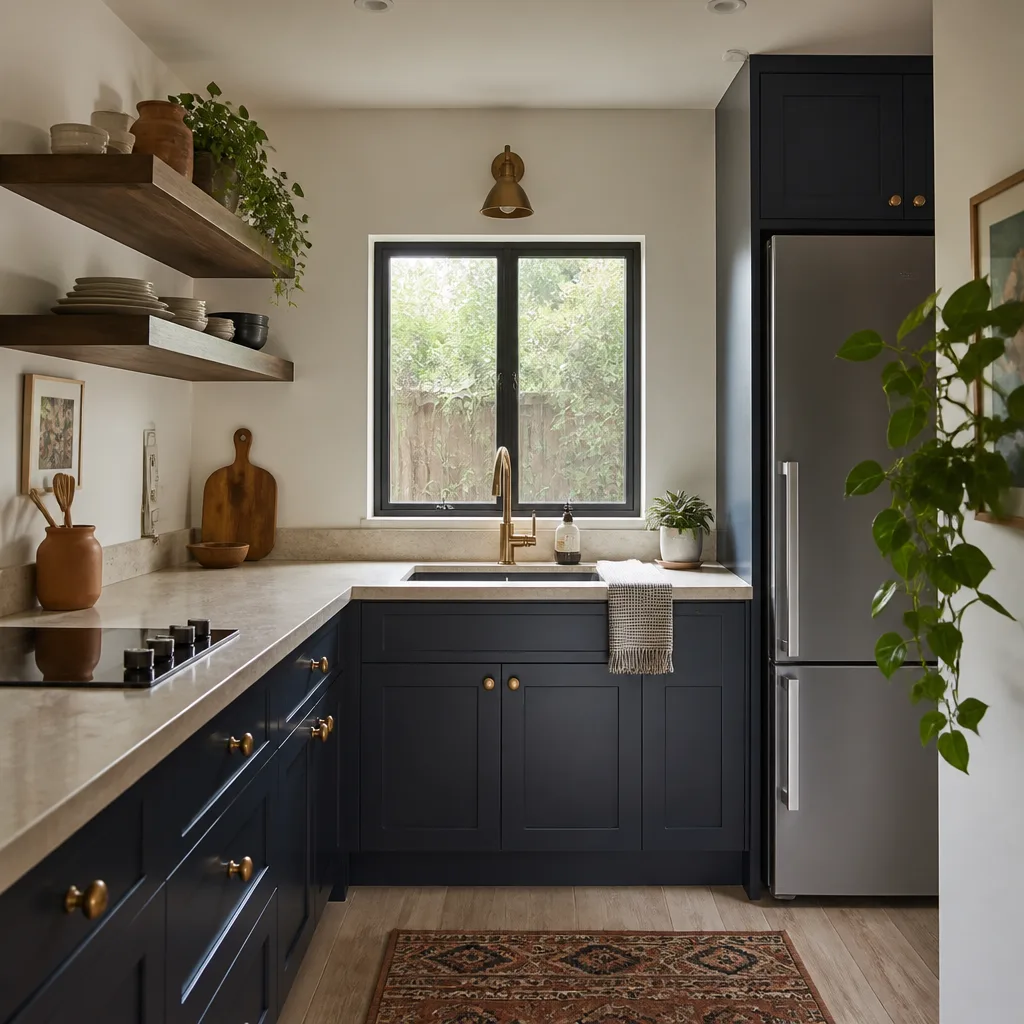
A full Tuff Shed junior ADU conversion in Woodland Hills typically runs $65,000 to $95,000, and before you swipe past that number, understand what it includes: structural reinforcement to bring the roof and floor into residential code compliance, insulation and drywall, a new electrical subpanel and wiring, plumbing rough-in where the site allows, a ductless mini-split for heating and cooling, windows and door upgrades to meet Title 24, and all permit drawings and permit fees managed by us. If the shed needs to be moved on the lot, relocated pad work, or fire-sprinkler retrofits for close-to-property-line setbacks, the price moves toward the upper end.
Line items that move your number:
- Structural upgrades (roof reinforcement, hold-downs, shear wall): $8,000 – $18,000
- Electrical (subpanel, wiring, fixtures, Title 24 lighting): $9,000 – $16,000
- Insulation, drywall, paint, interior finishes: $18,000 – $28,000
- Plumbing rough-in and fixtures: $8,000 – $20,000 depending on sewer tie-in distance
- Mini-split HVAC: $5,000 – $9,000
- Permits and engineering: $6,000 – $12,000
Every one of those numbers goes in writing before we start. The Garrison Standard applies here the same way it has since Garrison Partners began building by it in 2006: one full year of written guarantee. If something fails inside that year, we come back and correct it at no charge.
DIY or Call Us?
There is no safe DIY version of a full junior ADU conversion. The dangerous work is not dramatic to look at, it’s the electrical and structural components: an undersized feeder circuit that overheats inside a wall, or roof reinforcement that looks fine from underneath until the first heavy rain and you find the drywall cracked at every corner. A Tuff Shed was never built to be lived in, and pretending it was doesn’t change the physics or the code.
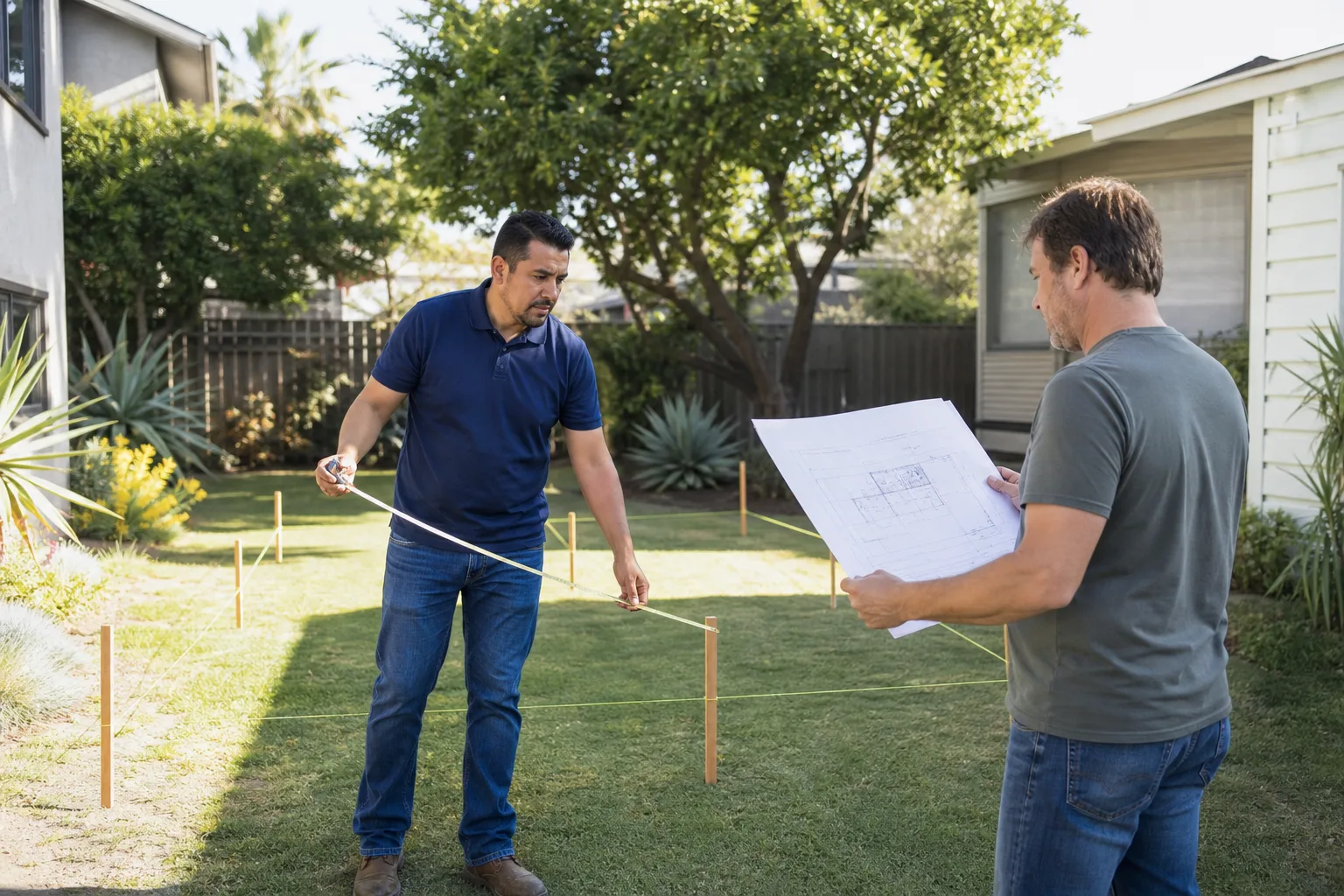
What you can check yourself is whether your shed is a realistic conversion candidate at all: measure the interior floor, confirm the roof construction (look for visible trusses versus rafters), and walk the perimeter looking for the tell-tale signs above. That gives you a read on whether it’s worth a real conversation. Scope in writing. Price in writing. Then we build. If you’re in Woodland Hills and want a straighter answer than a sales pitch, call Reed Calloway’s team at (559) 254-0116.
FAQs
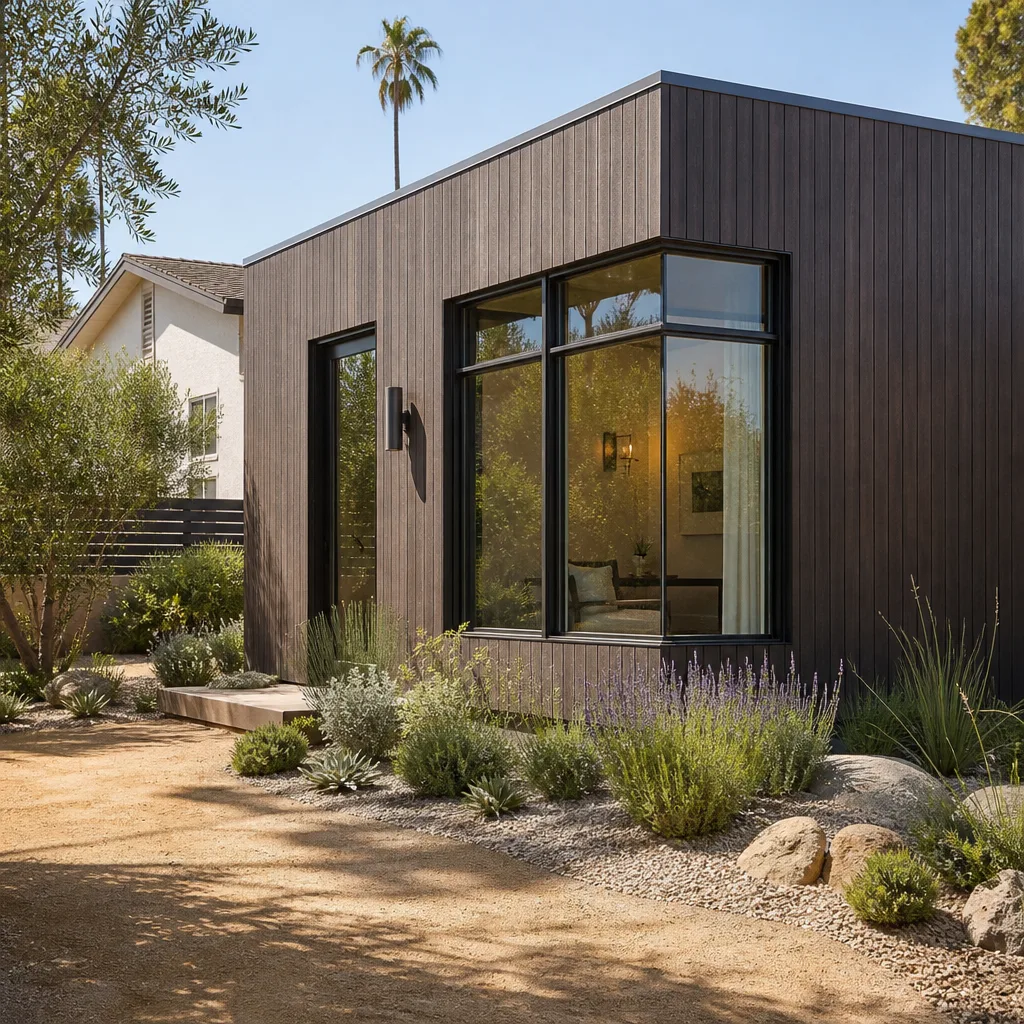
A properly converted Tuff Shed, with the roof reinforced and the floor tied down correctly, performs like a conventionally framed unit and should give you 30-plus years of use in the Woodland Hills climate. The weak points are the same as any structure here: sun exposure on the shed’s original siding, and ground moisture at the floor perimeter if the pad wasn’t graded correctly. If the conversion skipped the structural work, expect visible problems within three to five years. Call (559) 254-0116 and we’ll tell you honestly where your shed falls.
Most failed or botched conversions can be repaired without tearing everything down. We open the affected areas, correct the structural or electrical work, and refinish. The exception is when the original shed’s floor platform has rotted from ground contact, at which point replacing the structure is often the cheaper path. We’ll tell you which one you’re in before any work is quoted.
Plan on 60 to 90 days from permit submission to final inspection, with most of the work on-site happening in a 4-to-6-week window. The Woodland Hills building department’s review timelines move the front end of that range, and weather can push framing and drywall windows. We give you a written schedule at the same time we give you the written price, and we hold to both.
We handle everything: structural connectors, hold-down hardware, subpanels, insulation specified for California climate zones, and the finish materials. Our crews arrive with what the job needs because we’ve done enough of these in the West Valley to know which parts fail first and which ones are worth upgrading before they become a problem. Nothing gets ordered piecemeal off a big-box shelf mid-job.
Ready to get a real answer on your Tuff Shed conversion? Call Fielding ADU Woodland Hills at (559) 254-0116 for a free estimate. We’ll put eyes on your shed, tell you what it will take, and put the price in writing before you commit to anything.
Written by Reed Calloway, Owner, Fielding ADU Woodland Hills at Fielding ADU Woodland Hills, serving Woodland Hills and nearby areas.