Abodu Site Prep & Utilities: The Woodland Hills Owner’s Guide
Most Abodu site prep and utility work in Woodland Hills lands between $18,000 and $45,000 depending on how far your existing sewer, power, and water lines need to travel, and whether your lot requires retaining or grading. We typically turn this scope around in three to six weeks from first dig to final inspection, and we stock the common connection fittings, trenching equipment, and panel-ready materials on our trucks so we’re not waiting on backorder when the Abodu unit arrives. The way most owners find out their site prep was done wrong: the Abodu delivery crew shows up, looks at the pad, and won’t unload because the compaction report is missing or the utility stubs are 14 inches out of tolerance.
If you bought an Abodu unit and the site work underneath it is failing, you already know the feeling. The delivery gets delayed. The crane sits idle. The city inspector writes a correction. We fix that. Fielding ADU Woodland Hills is an independent service provider, not an Abodu affiliate, and we’ve done enough Abodu site packages in the West Valley to know exactly what the factory expects before that truck backs in.
Key takeaways:
- Abodu requires utility stubs within a tight tolerance; get the site work wrong and the delivery gets pushed.
- Woodland Hills soil varies from hardpan to fill, which changes trenching and compaction cost.
- We price the full site package in writing before the first shovel moves.
- Reed Calloway has been building in the West Valley for nearly two decades, much of it within sight of Warner Center.
Which Abodu Models This Applies To
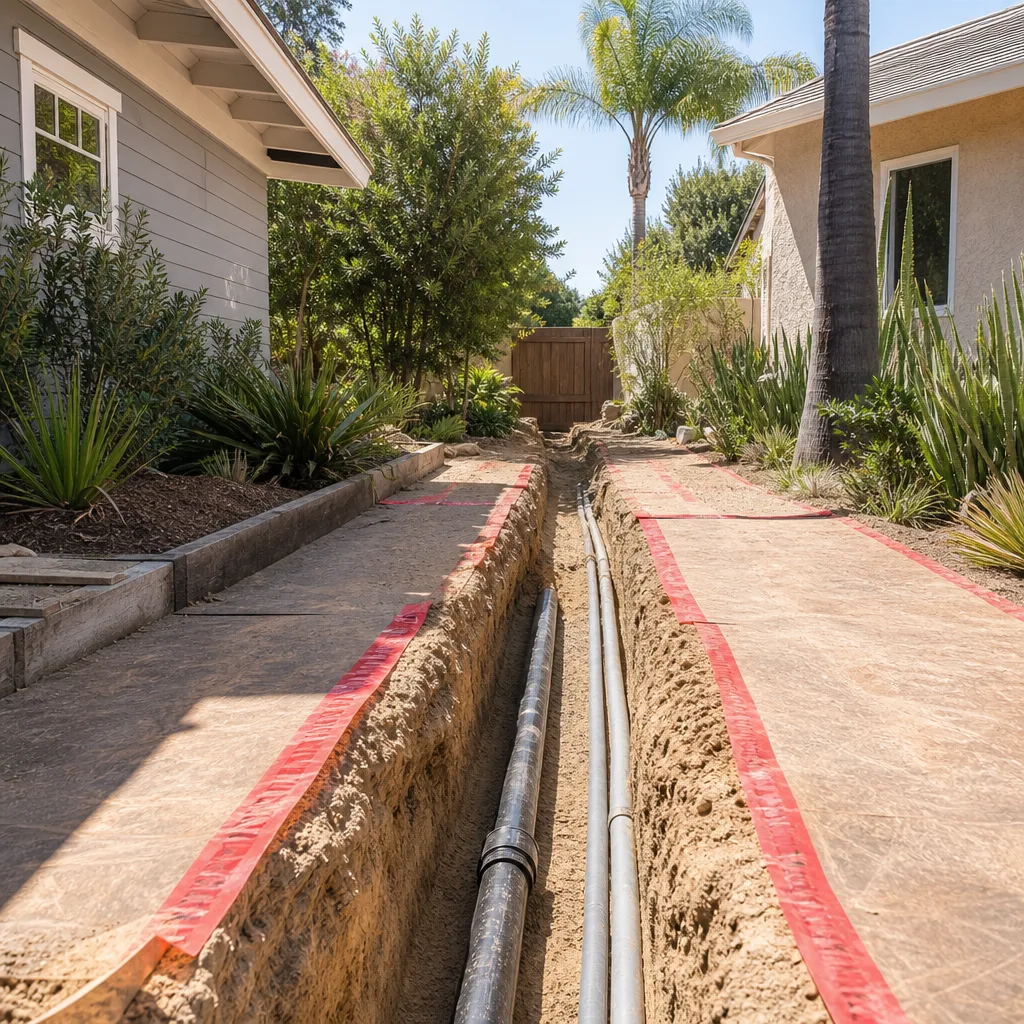
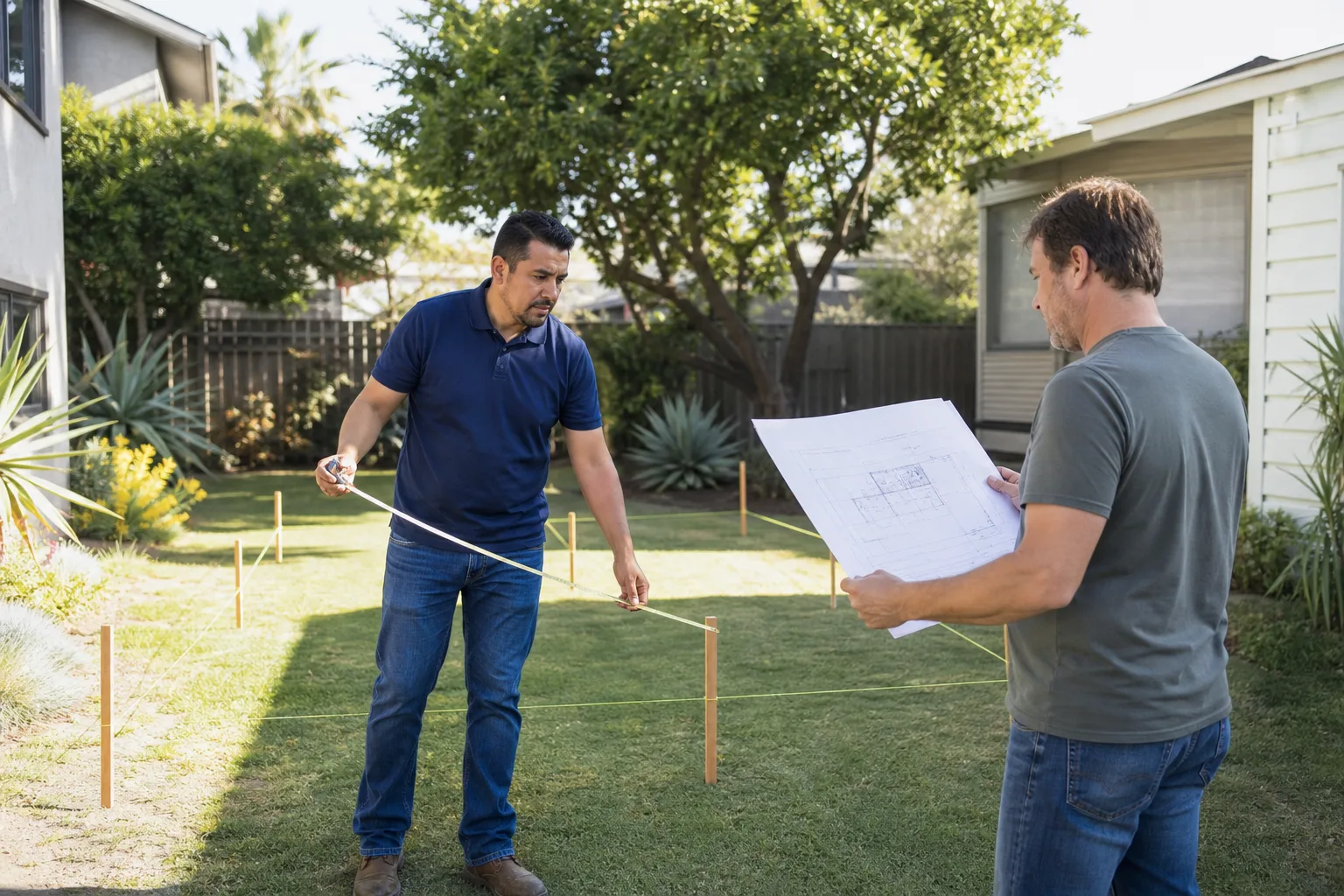
Abodu ships three core unit lines: the Studio (340 sq ft), the One-Bed (500 sq ft), and the Two-Bed (610 sq ft). Site prep requirements shift by unit, not by model year, and the big gotcha is utility stub placement. Abodu’s standard spec calls for sewer and water stubs to be within two feet of a designated corner on the pad, and power to arrive at a disconnect location that the factory drawings mark with a specific offset from the rear wall. If your existing main panel is on the opposite side of the house, the trench run for the new 100-amp subpanel feeder can add $4,000 to $8,000 in Woodland Hills before you even count the panel itself.
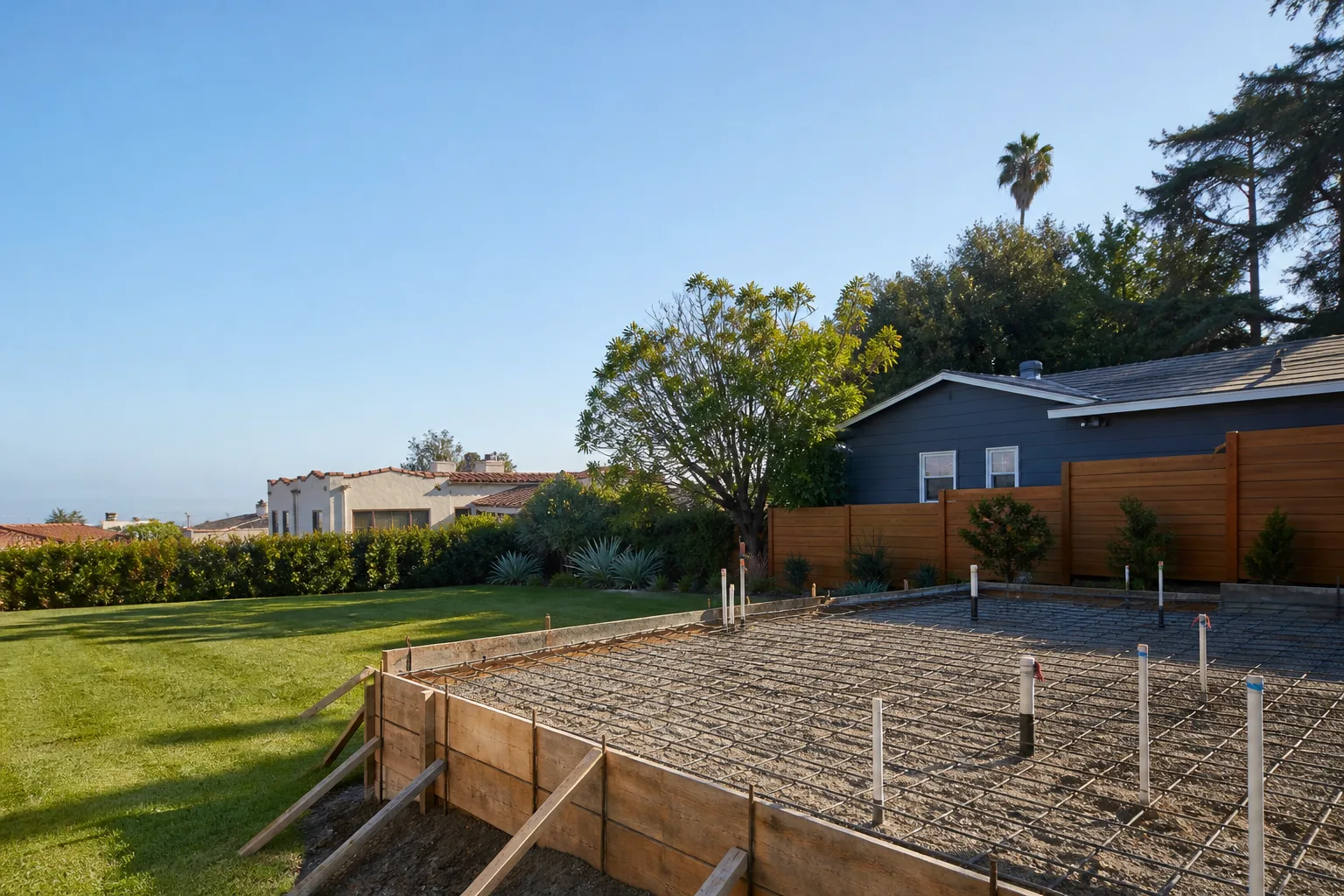
Abodu units are factory-built, so the parts we touch are the site-side components: the foundation pads or piers, the utility trenches, the water and sewer laterals, the electrical feeder and subpanel, and the drainage. When a site prep job fails, it’s rarely the Abodu unit. It’s almost always something underground that was undersized, mislocated, or never compacted. For the OEM-versus-aftermarket question: Abodu doesn’t make site components, so there’s no “OEM” trench or panel. The correct parts are code-listed materials from suppliers like Eaton, Siemens, and Charlotte Pipe, matched to Abodu’s published connection specs. We install to those specs, not to a guess.
Signs Your Abodu Site Prep & Utilities Is Failing
- Water pools against the pad after rain. This usually means the pad was poured without proper slope or drainage, and in Woodland Hills’s winter rain pattern, even one season of ponding will start to erode the base.
- The breaker trips every time the mini-split or dryer runs. That points to an undersized feeder or a loose connection in the subpanel, often a box that was never torqued to spec after the pull.
- Sewer smells near the cleanout or slow drains throughout the unit. This is a sag or back-pitch in the lateral, generally because the trench wasn’t bedded correctly and the pipe has settled.
- Visible settling or cracking at the pad corners. Woodland Hills lots cut into the hillside frequently have fill at the rear edges, and if the fill wasn’t compacted in lifts, it settles unevenly within two years.
- The city tagged the project for a correction. Missing compaction report, wrong stub height, unapproved material. These are paperwork-triggered failures, but they’ll stop an Abodu delivery just as fast as a broken pipe.
Replacement Cost & What’s Included
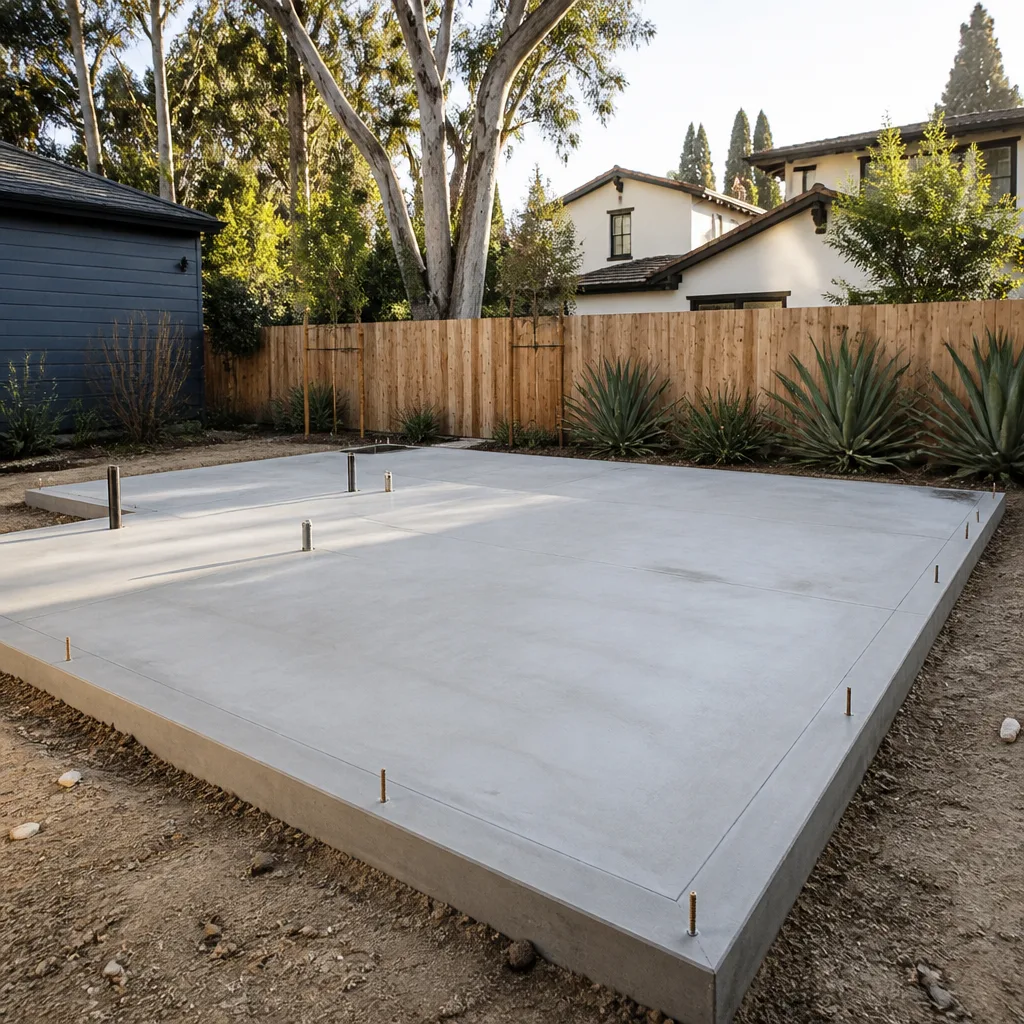
A straightforward Abodu site package in Woodland Hills, where the pad is flat and the utilities are within 40 feet of the existing house lines, typically runs $18,000 to $28,000. That covers demolition of the failed work if needed, excavation, new plumbing laterals, the electrical feeder and subpanel, the pad or piers, drainage, and compaction testing with the report the Abodu delivery team wants to see. On hillside lots or when we’re running a new water line from the street, the number can push to $35,000 to $45,000, and we’ll tell you that before we dig, not after.
| Scope Item | Typical Woodland Hills Range |
|---|---|
| Utility trenching and laterals (sewer, water, power) | $5,000 – $11,000 |
| 100-amp subpanel and feeder, panel-ready | $3,500 – $6,500 |
| Pad or pier foundation, compacted and tested | $8,000 – $18,000 |
| Drainage and surface grading | $1,500 – $5,000 |
| Permits, inspections, compaction report | $1,500 – $4,000 |
Every line item goes in writing before we start. The number you approve on day one is the number on the final invoice. It’s the Garrison Standard, and it’s been the way this company has operated since 2006. If our site work fails inside a year, we come back and correct it at no charge. That guarantee is on paper.
DIY or Call Us?
You can safely do the diagnosis. Walk the pad after rain, check the panel for signs of heat or loose breakers, and look at the city correction notice if one was posted. What you shouldn’t do is open a trench, move a live feeder, or re-pitch a sewer lateral. Trenching in Woodland Hills means cutting through hardpan and old fill, and a 24-inch trench with an unshored wall can collapse on a person. Underground electrical and gas lines carry real risk even when the breaker is off.
If you’re seeing a failed pad or a bubbling cleanout, the cost of a wrong guess is higher than the cost of a real diagnosis. Call (559) 254-0116 and we’ll put eyes on it, in writing, before you spend a dollar on a repair you may not need.
FAQs
Done correctly, the underground portion of an Abodu site package should last 40 years or more. The pad itself can last just as long if the base is compacted to 95 percent and water is kept moving away from the edges. The failures we see in Woodland Hills are almost always from cut corners in the first install, not from age.
If you suspect your site work was cut short, call (559) 254-0116 and we’ll tell you what we’re looking at.
Yes, in many cases. If the sewer line is bellied in one section, we can excavate just that run and re-bed it. If the drainage is the only issue, we can add surface grading and a French drain without touching the pad. Full replacement is only necessary when the pad itself has settled beyond tolerance. We’ll scope only what’s broken. That’s the whole job.
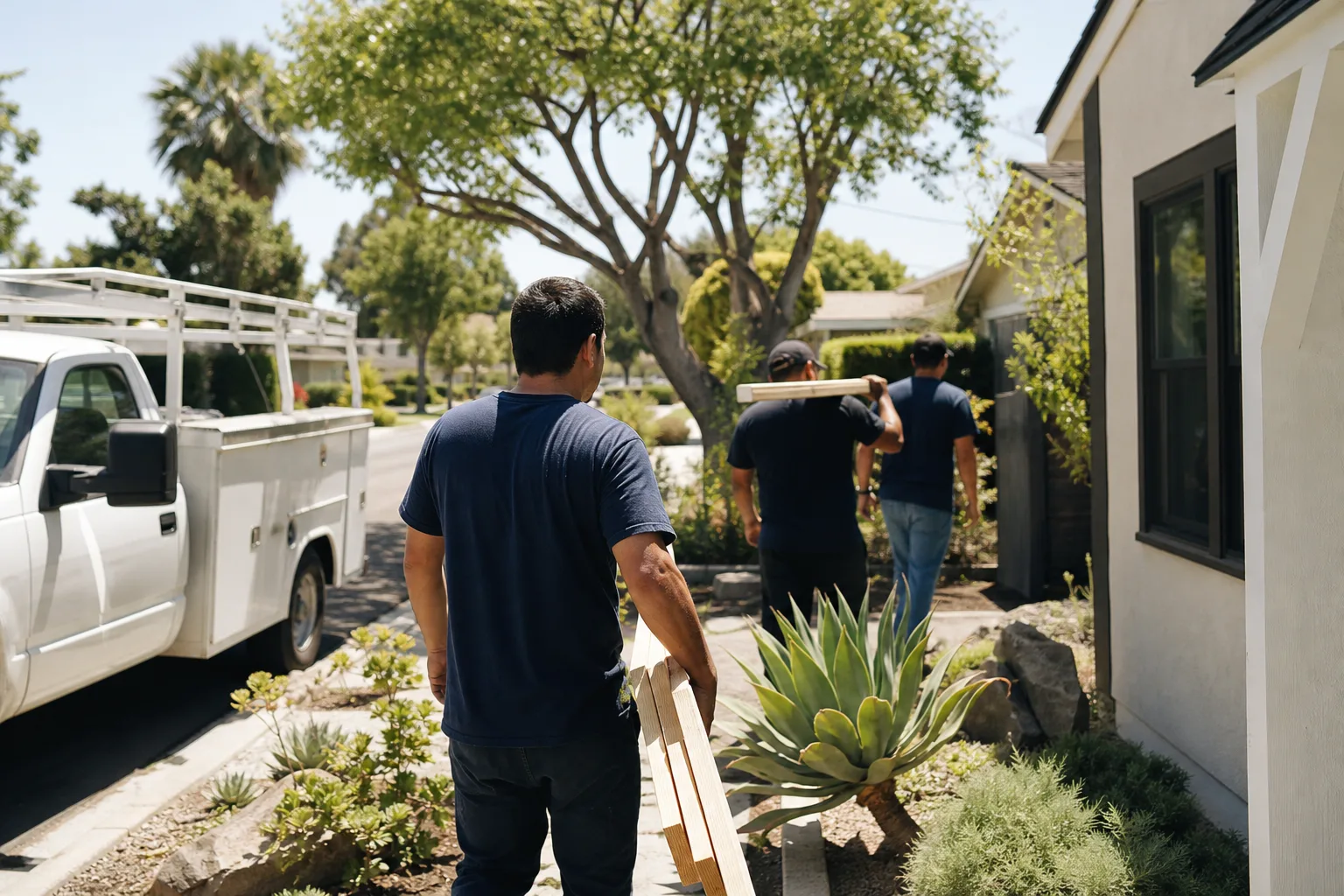
Most repairs are two to five days. A full re-prep, including new pad work and utility reroutes, lands between three and six weeks in Woodland Hills, depending on inspection scheduling with the city. We’ll give you a written timeline with the written price, and you’ll know exactly who is on site because every crew member is background-checked and uniformed.
We stock the common items on the truck: Sch 40 PVC in the sizes Abodu spec calls for, panel feeders, grounding rods, cleanouts, and compaction equipment. If you’ve got a Cover or Dvele unit instead, we carry their connection specs too. Whatever the platform, we come ready to match the factory drawing, not make it up on the fly.
Call (559) 254-0116 to schedule a site look. Estimates are free, and the price you get is the price you’ll pay.
Scope in writing. Price in writing. Then we build.
Written by Reed Calloway, Owner, Fielding ADU Woodland Hills at Fielding ADU Woodland Hills, serving Woodland Hills and nearby areas.