Abodu New Detached ADU: The Woodland Hills Owner’s Guide
An Abodu new detached ADU in Woodland Hills typically runs between $280,000 and $420,000 installed, depending on lot conditions, site work, and utility runs. That’s the honest range we quote before any design work starts, and it’s the number you’ll see on the final invoice. The question we hear most from owners is not whether to build one, but whether their backyard can actually take it, and that’s where a site walk saves everyone time and money.
We’re Fielding ADU Woodland Hills, an independent ADU and addition specialist, not affiliated with Abodu. But we work with their units regularly, alongside Cover and Dvele, which means we know where Abodu’s process works cleanly in the West Valley and where it needs a contractor who will tell you the truth before you wire a deposit. Reed Calloway, our owner, grew up in Los Angeles and has spent the better part of two decades building in the West Valley. He learned the trade at Los Angeles Trade-Technical College, where instructors had no patience for shortcuts, and that’s the same standard we bring to every Abodu placement we touch.
Which Abodu Models This Applies To
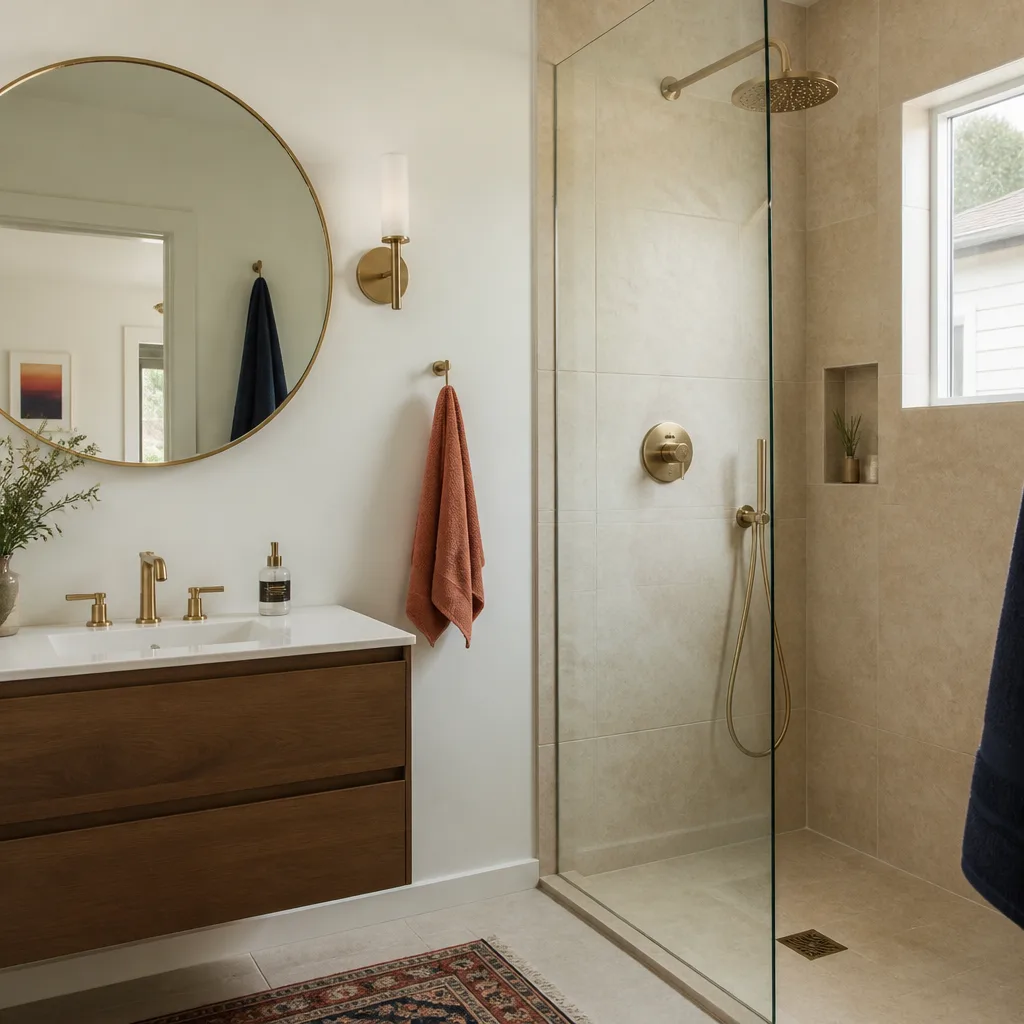
Abodu currently runs two primary new detached ADU lines in California: the Studio (a 340-square-foot unit) and the One (a 500-square-foot one-bedroom), with the Two (a 750-square-foot two-bedroom) available in select markets. The Woodland Hills parcels we see are typically zoned R1-1 or R1-1-RFA, which matters because Abodu’s standard foundation system requires specific setback clearances from the rear and side property lines.
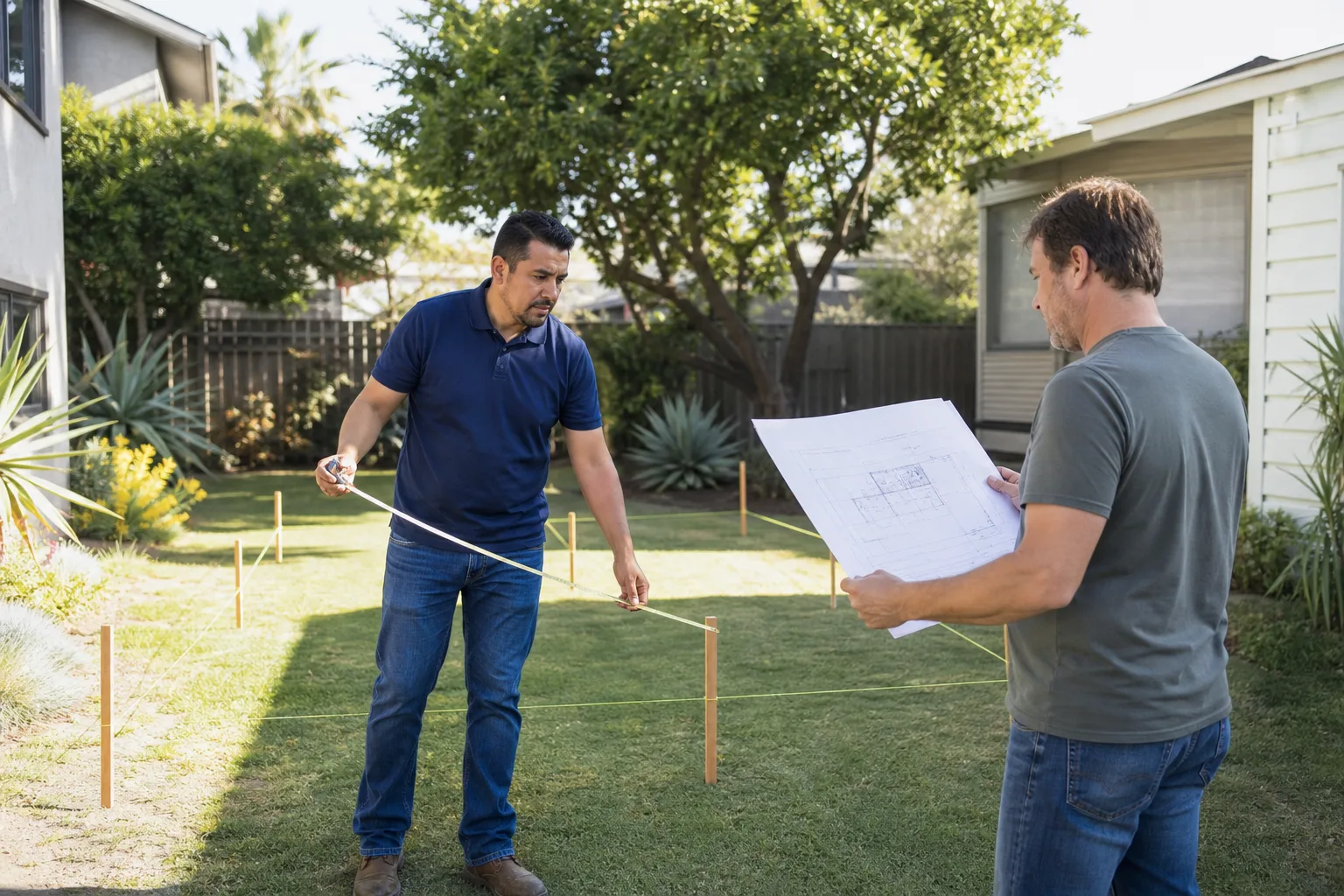
The compatibility gotcha most owners don’t discover until permit review: Abodu units are factory-built to a fixed 15-foot-wide module, so your lot’s rear yard needs at least 15 feet of usable width plus the required 4-foot side setbacks. In neighborhoods like Carlton Terrace or the hillside streets south of Ventura Boulevard, we regularly see lots that look generous but fail that width test once you account for the city’s setback rule. That’s a checkable spec, and it’s the first thing we measure on a site visit.
OEM versus aftermarket is less of a question for the structure itself, since Abodu controls the module. Where the decision matters is the foundation, utility connections, and interior finish work, which Abodu intentionally leaves to local contractors. In Woodland Hills, that means the quality of your build depends heavily on who does the site work around Abodu’s module. A cheap foundation crew or a sloppy electrical connection is where we see these projects go sideways, not inside the factory-built box.
Signs Your Abodu New Detached ADU Is Failing
- Gaps between the module and the foundation. Abodu sits on a perimeter foundation. If you can slide a quarter into the gap, the unit has shifted. In Woodland Hills’ expansive clay soils, this shows up in the first two winters. It’s usually a drainage problem, not an Abodu defect.
- Doors that stick or won’t latch. The unit’s steel frame is rigid, so when doors bind, it’s almost always the foundation settling unevenly. We see this on hillside lots near Topanga Canyon Boulevard where fill soil was never compacted properly.
- Moisture under the unit. Abodu modules sit on steel beams with a crawl space beneath. Standing water or visible condensation there in a Woodland Hills summer points to poor site grading or missing vapor barrier, not a factory issue.
- Drywall cracks at the wall-to-ceiling seam. Small hairline cracks are normal as the module settles. Cracks wider than a dime, or cracks that reopen after patching, signal differential movement between the module and the site-built components.
- Electrical tripping on the ADU panel. Abodu ships with a subpanel ready for connection. If breakers trip after rain, the odds are high that water is finding the feeder conduit. We trace this back to the original site contractor’s work almost every time.
Replacement Cost & What’s Included
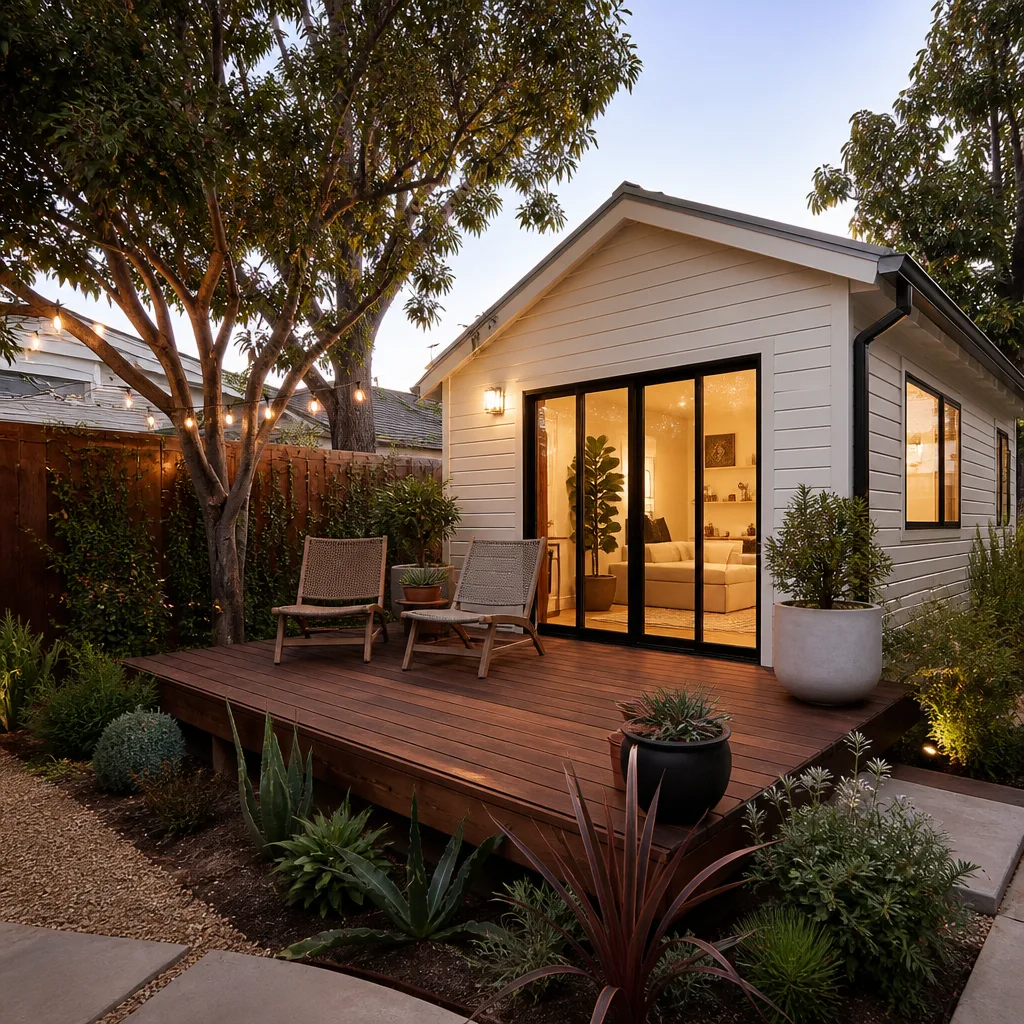
For a full Abodu new detached ADU in Woodland Hills, here’s what we put in writing before any work starts:
- Abodu module (Studio or One): $190,000 to $260,000, factory-delivered
- Foundation, site work, and grading: $35,000 to $70,000 depending on soil and slope
- Utility connections (water, sewer, electrical): $18,000 to $40,000, driven mostly by distance from the main house and whether LADWP trenching is required
- Permits, plans, and city fees: $12,000 to $25,000 in Woodland Hills
- Interior finish and appliance package: $25,000 to $50,000
Every line item above is what we call a written price, not an estimate. The Garrison Code we work under is simple: show up in the window, price in writing, by the book, leave it clean, stand behind it for a year. If the work fails inside that year, we come back and correct it at no charge. That guarantee is spelled out on paper before you sign anything.
DIY or Call Us?
There is no serious DIY path for placing a factory-built ADU in Woodland Hills. The foundation, utility trenching, and panel connections all require permits, and the city will not issue a permit to an unlicensed owner-builder for this scope in most cases. What an owner can safely do is verify the basics before calling us: check your lot dimensions against the 15-foot width requirement, confirm your zoning allows an ADU (most R1 lots in Woodland Hills do), and pull your sewer lateral location from the city’s records, because that line can add $10,000 to the job if it runs through your planned ADU footprint.
Where owners lose money is hiring the cheapest site contractor they can find and discovering, six months in, that the foundation doesn’t match Abodu’s spec and Abodu won’t deliver until it’s corrected. That’s a $40,000 mistake we have fixed for more than one Woodland Hills homeowner. Call us at (559) 254-0116 before you sign with anyone. We’ll walk the lot, price the job in writing, and tell you if Abodu is even the right fit, because sometimes it is not, and you deserve to know that before you pay a design deposit.
FAQs
The Abodu module itself has a 50-year structural design life, but the site-built foundation and utility connections in Woodland Hills are the parts that fail first, typically inside 10 to 15 years if grading or drainage was done wrong. Call (559) 254-0116 for an exact assessment of your lot.
In most cases, yes. We repair foundations, replace failed utility connections, and correct drainage without touching the Abodu module itself. The repair path costs a fraction of a full replacement, and we’ll price it in writing before starting.
From permit approval to move-in runs 5 to 8 months in Woodland Hills, with the Abodu factory build taking 6 to 10 weeks and site work taking 8 to 14 weeks. The permit process is the variable; it runs 2 to 4 months depending on city workload.
We order each Abodu module directly from the factory for your specific lot, so we don’t warehouse units. What we do stock are the site-side components: foundation hardware, utility connection materials, and the finish materials that go inside the unit.
If you’re weighing an Abodu new detached ADU in Woodland Hills, get real numbers from someone who does this work every week. Call (559) 254-0116 for a free site walk and a written price. Scope in writing. Price in writing. Then we build.
Written by Reed Calloway, Owner, Fielding ADU Woodland Hills at Fielding ADU Woodland Hills, serving Woodland Hills and nearby areas.